

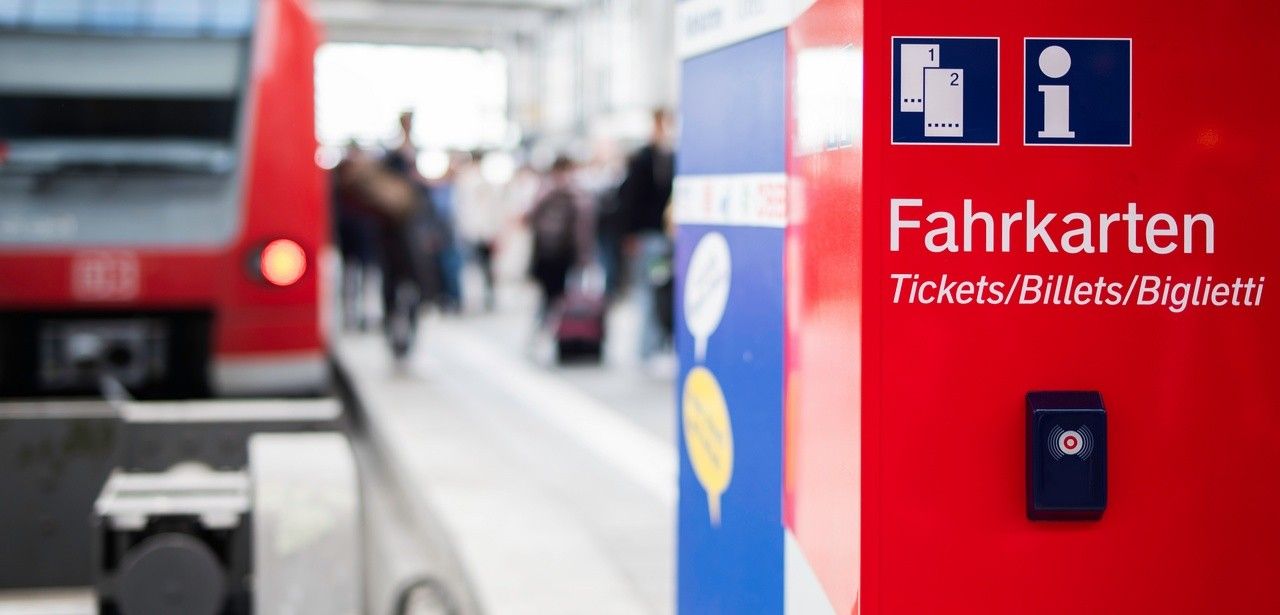
At the passenger symposium in Munich, PRO BAHN adopted a resolution calling for user-focused digitalization in public transportation. Participants advocate an integrated network spanning long-distance trains to micromobility services, enabled by a single nationwide mobility card. A unified fare structure offers transparent ticket options and harmonized conditions. Uniform data protection and cybersecurity standards are essential, complemented by open interfaces and central IT sales platforms to provide a seamless travel experience.
Table of Contents: What awaits you in this article
Munich Symposium Adopts Resolution For Passenger-Centric Digital Public Transport
During the Munich passenger symposium, a diverse group of transportation professionals delivered presentations exploring digital innovation across rail and road networks. Following comprehensive discussions, attendees adopted a resolution comprising specific recommendations to enhance user focus and operational efficiency throughout regional, local, and long-distance public transit. Jörg Bruchertseifer from PRO BAHN underscored the necessity of synchronizing cutting-edge technical solutions with inclusive social engagement, ensuring equitable access and involvement for all passengers.
Resolution Urges Government View Public Transport as Unified Network
Resolution calls on the federal government to view public transportation as a fully integrated network. It includes long-distance trains, regional trains, commuter rail, subways, trams, buses, ferries, and micromobility options like bike-sharing and e-scooters. Through unified scheduling, ticketing, and coordinated connections, passenger transfers are reduced and service reliability improves. Travelers benefit from shorter wait times, smoother journeys, and enhanced comfort. The approach fosters accessible, efficient mobility across all urban areas.
PRO BAHN Demands Nationwide Smartcard Covering All Transport Services
PRO BAHN proposes introducing a nationwide mobility card that seamlessly integrates all forms of transportation into a single payment and access solution. Commuters could tap one chip or digital credential to board trams, ferries, trains, rail, and buses without purchasing separate tickets or downloading multiple apps. This unified approach would streamline journeys, reduce ticketing complexity, and improve user convenience by consolidating access control and fare validation on a single platform.
Nationwide unified fare structure offers clear tickets reducing barriers
Implementing a nationally consistent fare structure with transparent ticket options reduces entry barriers across the transit system. Clear naming conventions, straightforward pricing, and well-defined validity zones enable riders to compare single rides, day passes, and monthly subscriptions. Eliminating ambiguous categories prevents accidental purchases and builds user confidence. By standardizing terminology and cost tiers from short trips to period passes, operators streamline purchasing processes, minimize confusion, and promote informed travel choices.
PRO BAHN demands unified cybersecurity standards safeguarding travellers’ data
According to PRO BAHN, robust data protection and security measures are indispensable for public transport systems. They advocate establishing uniform national standards for data and system security to safeguard passenger information, prevent unauthorized access, and defend against cyber threats. This approach includes encryption protocols, secure authentication, and auditing. By implementing unified guidelines, transit operators can minimize data breach risks, ensure continuous service, and build passenger trust in digital ticketing systems.
Resolution proposes standardized interfaces for tariff sales and controls
The plan mandates implementation of standardized APIs to facilitate tariff product sales across different transport providers. Alongside, centrally managed IT infrastructures will support distribution and inspection of travel documents, streamlining operations. By consolidating these functions within unified systems, operators can deploy sales platforms that communicate. This alignment reduces interoperability challenges, simplifies maintenance, and fosters a consistent user experience. Ultimately, harmonized technical frameworks improve efficiency and enable expansion of service offerings.
PRO BAHN calls for low barriers, instant ticket purchases
To facilitate spontaneous travel, PRO BAHN advocates minimal entry barriers allowing passengers to obtain occasional tickets immediately upon boarding or at any convenient sales location. If ticket verification fails due to technical issues with digital or data-based passes, travelers should not face additional surcharges or penalty fares. This approach preserves the freedom to undertake unplanned journeys without hindrance and ensures fair treatment for passengers affected by system malfunctions during checks.
Ensuring Passenger Access Without Smartphones With Required Analog Alternatives
The resolution highlights the necessity of inclusive access for all passengers, addressing those without smartphones by mandating alternative solutions. Paper-based tickets, physical kiosks, and printed timetables ensure travelers lacking digital devices can seamlessly board trains and buses. Authorities must provide accessible counters, mailing options, or local outlets where updated schedules and fare information are available. This approach guarantees equitable mobility, preventing exclusion and upholding fundamental transport rights through low-threshold channels.
PRO BAHN Resolution Promises Modern Inclusive Mobility Across Germany
The PRO BAHN resolution outlines a strategy to deliver a contemporary, inclusive public transport network across Germany. It emphasizes seamless integration of long-distance trains, regional services, urban rail, buses and micromobility. A unified national mobility card simplifies ticketing, while a clear, standardized fare structure reduces confusion. Uniform data protection and cybersecurity protocols safeguard user information. Together, these measures enhance passenger convenience, strengthen trust, and foster sustainable ridership growth across all traveller segments.