
With the heating season underway, the Bavarian Business Association emphasizes prudent gas use across Bavaria. Current storage levels stand at approximately seventy-five percent, exceeding the Federal Network Agencys seventy percent benchmark. Supply stability remains assured. Nevertheless, CEO Bertram Brossardt underscores the necessity of conserving gas and deploying intelligent energy infrastructure. Stakeholders can mitigate challenges such as price volatility, geopolitical supply shifts, and dependency on external suppliers while safeguarding operational continuity.
Table of Contents: What awaits you in this article
German Gas Storage at 75 Percent, Security Remains Stable
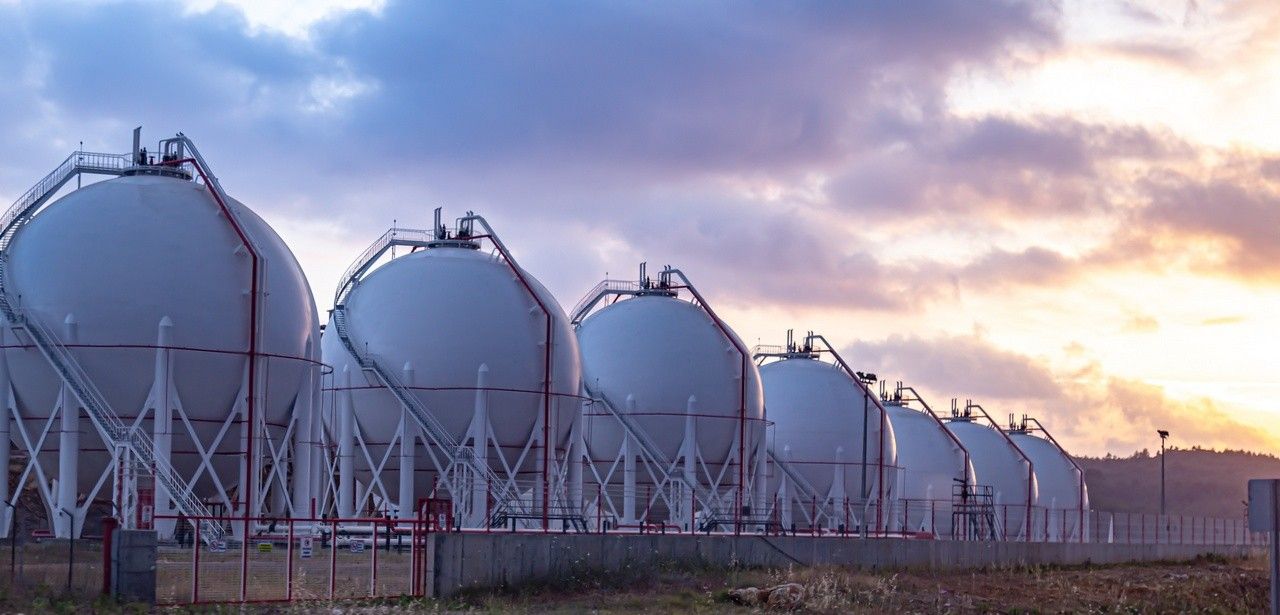
German gas storage facilities currently maintain approximately 75 percent capacity, surpassing the Bundesnetzagenturs 70 percent safety benchmark. Supply stability remains intact, supported by existing reserves. Should circumstances demand, additional imports of liquefied natural gas (LNG) can be arranged to reinforce stocks. Despite these favorable conditions, vbws Managing Director Bertram Brossardt advises prudent consumption practices. Such caution is justified by finite buffer capacities, price volatility, and possible disruptions to supply chains.
Industry, Crafts, Households Reduce Gas Consumption Ensuring Supply Security
Over the past years, manufacturing, trade sectors, and residential users have achieved substantial reductions in gas consumption, underscoring the benefits of targeted efficiency strategies. By aligning optimization measures with uninterrupted supply requirements, stakeholders have maintained robust energy security while cutting costs. Commitment to innovative conservation practicesâfrom factory process optimization to improved home insulationâremains essential, ensuring resource savings support stable production and contribute to a resilient, cost-effective energy system.
vbw calls for integrated gas, electricity and hydrogen networks
In order to achieve a long-term, secure, affordable, and climate-neutral energy supply, vbw emphasizes the need for enhanced integration across all energy infrastructures. This entails creating smartly interconnected gas, electricity, and hydrogen networks. Essential measures include the systematic expansion and modernization of pipeline and grid assets, as well as the staged conversion of existing gas infrastructure to accommodate climate-neutral gases. Through these improvements, system resilience increases, operational flexibility improves, and carbon emissions decline significantly.
Expanding Bavarias Networks While Accelerating Green Hydrogen Economy Growth
With the expansion of energy networks, establishing a robust hydrogen economy in Bavaria becomes critical. Green hydrogen from renewable power offers a sustainable pathway to decarbonize industry and heat supply. Integrating electrolyzers with intermittent renewable generation converts surplus electricity into storable fuel. Success hinges on pragmatic regulations that eliminate obstacles, incentivize investments, streamline permitting. Coordinated efforts between government and industry will accelerate infrastructure and foster a market for hydrogen technologies.
Companies Need Reliable Planning Conditions And Stable Energy Prices
Businesses require dependable planning frameworks, predictable energy pricing, and reduced operational costs to enhance competitiveness in markets. The vbw advocates for realistic regulatory measures designed to stimulate capital allocation toward energy-efficient solutions and carbon-neutral innovations without imposing unnecessary administrative burdens. By streamlining approval processes and setting stable tariff structures, these guidelines aim to foster sustainable growth, improve cost management, and encourage the transition to cleaner technologies, ultimately strengthening overall resilience.
Efficiency, Grid Expansion and Hydrogen Bolster Bavarias Sustainable Future
The implementation of targeted efficiency measures alongside the expansion of integrated gas, electricity, and hydrogen networks empowers Bavaria to achieve enhanced energy security while simultaneously driving down operational costs. By fostering a robust regional hydrogen economy, industrial and residential sectors benefit from diversified supply sources and reduced price volatility. These initiatives accelerate the transition toward carbon neutrality, safeguard local competitiveness, and establish a resilient, sustainable energy infrastructure for the future.