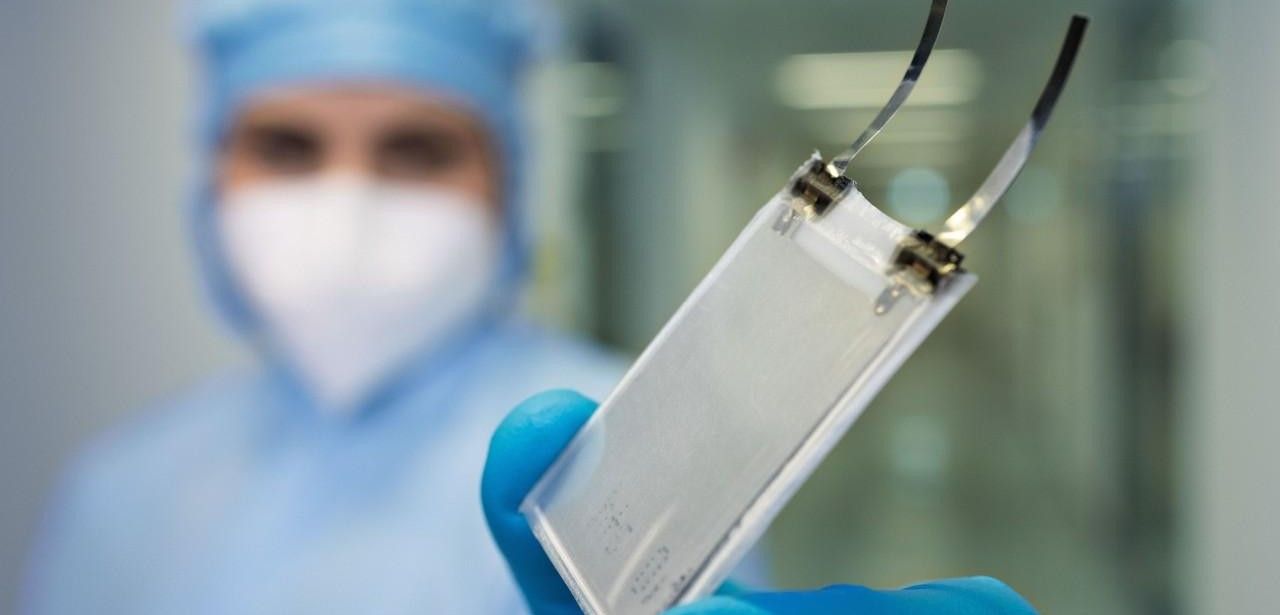
Our novel direct electrode coating technique deposits nickel hydroxide onto thin metal substrates via an electrochemical process, enabling Zn2H2 and Fraunhofer IZM to manufacture nickel-zinc batteries at significantly reduced cost and complexity. These cells achieve rapid power delivery within seconds to minutes, making them ideally suited for UPS buffering in AI data centers. Additionally, the zinc-hydrogen chemistry offers enhanced raw-material sourcing and lower flammability risk relative to conventional buffer solutions.
Table of Contents: What awaits you in this article
UPS deliver instant backup power protecting critical systems integrity
When the primary power supply fails, an uninterruptible power supply must immediately activate to maintain essential services, protect security systems, and preserve data integrity. Hyperscale data centers for artificial intelligence workloads rely on energy storage solutions capable of delivering high power within seconds to prevent operational disruptions. These systems support fast discharge and recharge, handle peak current demands, and ensure consistent performance under extreme load conditions to eliminate downtime risks.
Lithium-ion UPS buffers: heavy, expensive, risky, supply chains stressed
Modern uninterruptible power supply buffer systems predominantly utilize lithium-ion batteries, whose significant weight and manufacturing expenses contribute to higher operational costs. In addition, these chemistries exhibit inherent fire hazards that necessitate comprehensive safety protocols and specialized containment measures. Escalating raw material prices and unpredictable supply chain disruptions further erode their cost-effectiveness. Increasingly stringent safety and regulatory standards within large-scale data centers demand robust risk mitigation strategies and enhanced system reliability.
Zn2H2 unveils cost-effective nickel-hydroxide direct coating process for electrodes
Zn2H2 has developed a direct coating process that deposits nickel hydroxide onto thin steel foils via electrochemical techniques. This approach creates large-area, rollable electrodes resembling cylindrical lithium-ion cells. Paired with an aqueous electrolyte, the resulting assembly achieves rapid charge and discharge cycles, maintaining high power output while significantly reducing reliance on costly raw materials. The production workflow minimizes energy consumption and waste, paving the way for scalable, cost-effective battery manufacturing solutions.
Fraunhofer IZM Validates NiZn Cells Through Twenty Thousand Cycles
In experiments at Fraunhofer IZM, NiZn cells underwent over twenty thousand charge and discharge cycles. During tests, discharge currents reached several hundred times nominal capacity, delivering power densities above ten thousand watts per kilogram. Throughout, cells maintained stable voltage profiles with minimal capacity fade, demonstrating excellent cycle life and consistent energy output. These findings confirm their suitability for short-duration high-power applications, where rapid energy bursts with consistent operation are critical.
Nickel-zinc batteries deliver exceptional seconds-long discharge and minutes-long runtime
The nickel-zinc batteries achieve discharge durations ranging from tens of seconds up to five minutes, enabling high-load applications. They feature an energy density of 40-50 Wh/kg under peak performance conditions and can deliver up to 170 Wh/kg at reduced discharge rates. This combination yields a lighter battery assembly, lower manufacturing expenses, and improved supply flexibility from abundant raw materials. Additionally, performance in cold environments suggests potential as automotive starter batteries.
Fraunhofer and Start-Up Partnership Accelerates Zinc Battery Development Lifecycle
The partnership in the Start-A-Factory laboratory combines Fraunhofer IZMs expertise in zinc battery research with the startups agile innovations. Merging institutional know-how and fresh technical approaches, the collaboration accelerates prototype development and validation. It leverages comprehensive testing infrastructure to ensure performance and safety. This synergy fosters rapid product iterations, reduces time-to-market, and enhances commercial readiness. The efforts yield nickel-zinc energy storage solutions, bringing advanced battery technologies closer to large-scale deployment.
NiZn Accumulators Deliver Affordable, High-Power UPS For AI Datacenters
Zn2H2 and Fraunhofer IZMs NiZn batteries deliver fast backup power for AI data centers, supplying peak output within seconds and sustained discharge over several minutes. Using aqueous electrolytes and nickel-hydroxide-coated steel foil electrodes, they achieve 40-50 Wh/kg at high rates and up to 170 Wh/kg at slower rates. Their lower weight, reduced material expenses, and minimized fire risk position them as a cost-effective, safer alternative to conventional lithium-ion UPS modules.