

Since December 6, 2025, Germanys NIS2UmsuCG regulation took effect, and 62 percent of obligated organizations missed the March 6, 2026 registration deadline, resulting in non-compliance with NIS-2 obligations. Companies that act can avoid penalties up to 10 million euros or 2 percent of turnover by adopting a structured incident response process, multi-factor authentication, supplier assessments, network segmentation via TRIOVEGAs edge.SHIELDOR platform, and a gap analysis to achieve a competitive advantage.
Table of Contents: What awaits you in this article
Only Thirty-Eight Percent of German Firms Registered by Deadline
In Germany, only about 38 percent of the 29,000 companies required to register under the NIS2UmsuCG have completed registration with the Office for Information Security (BSI) by the March 6 deadline. As a result, numerous organizations are already in breach of the directive. The BSI holds the authority to request evidence, initiate audits, and impose fines up to ten million euros or two percent of turnover, exposing executives to liability.
No more grace period: NIS2UmsuCG registration deadline enforcement effective
As soon as the registration deadline elapses, there are no more implicit grace periods for compliance. The NIS2 Implementation and Cybersecurity Act is fully enforceable under German law, meaning that any organization that has failed to register with the Federal Office for Information Security (BSI) is in direct violation. With enforcement of this regulation, companies face elevated legal exposure and mounting liability risks, including substantial fines, necessitating structured compliance efforts.
NIS-2 Mandates Incident Response And Reporting Within 24 Hours
Under NIS-2 regulations, organizations are required to report significant IT or OT incidents to the Federal Office for Information Security (BSI) within 24 hours. To comply, companies must establish and maintain a documented incident response process that clearly defines roles and responsibilities, escalation levels, and standardized reporting formats. Furthermore, separate procedures must be implemented to address operational technology (OT) failures in manufacturing environments, ensuring rapid detection, containment, and timely resolution.
Network segmentation, MFA, and patch management protect OT processes
Network segmentation, multi-factor authentication for privileged access, and structured patch management are mandatory safeguards to defend modern infrastructures. In operational technology environments, specific solutions such as TRIOVEGAs edge.SHIELDOR create a secure separation layer between IT and OT networks. This approach isolates critical control systems and domains, enforcing security without disrupting live production workflows. By integrating protective measures at network boundaries, organizations can mitigate lateral threat movement while preserving operational continuity.
Assess Supply Chain Criticality Enforce Secure Remote Production Access
Organizations must evaluate each tier of their supply chain by impact and criticality, assigning risk levels to suppliers. Remote access to production systems should be controlled through authentication, encryption, and access policies. Establishing a structured supplier assessment with questionnaires and binding security clauses in contracts ensures transparency into third-party operations, enforces consistent cybersecurity measures, and reduces vulnerabilities. This approach helps maintain compliance, protects overall operational continuity, and significantly minimizes disruptions.
NIS2 mandates role-based security training with practical threat updates
Compliance with NIS-2 mandates documented evidence of regular, role-specific training programs. OT operators require practical sessions focused on industrial control systems security, whereas office staff need instruction on basic cyber hygiene and data protection. Integrating realistic attack simulations and threat scenario exercises ensures participants apply knowledge effectively. Regular curriculum reviews incorporating emerging vulnerabilities, sophisticated malware techniques, timely incident response drills maintain relevance, foster continuous learning, and strengthen enterprise-wide security culture.
BSI registration, gap analysis, incident response testing, supplier assessment
As initial measures, completing the BSI registration ensures formal alignment with regulatory requirements. Conducting a comprehensive gap analysis captures the current security posture and identifies deficiencies. Documenting and validating the incident response process via simulated tests establishes clear responsibilities, escalation paths, and report formats. Initiating a structured supplier assessment evaluates third-party risk exposure. Combined, these prioritized actions effectively remediate compliance gaps and build a foundation for cybersecurity resilience across operations.
NIS2 Compliance, IEC 62443 Certification Elevate Supply Chain Trust
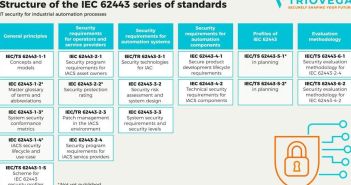
Organizations that systematically implement NIS-2 requirements and achieve IEC 62443 certification position themselves as trusted partners within industrial supply chains. By conducting a thorough gap analysis, addressing vulnerabilities, and applying robust technical solutions, they meet regulatory obligations while enhancing resilience. TRIOVEGA supports this transformation from initial assessment through integration of secure network segmentation, multi-factor authentication, and incident response processes to continuous operational support, ensuring sustainable cybersecurity and maintaining market competitiveness.
NIS-2 compliance transcends mere regulatory adherence, transforming a legal necessity into a strategic opportunity to deter financial penalties and curtail corporate liability. By implementing disciplined security processes, robust incident-response mechanisms, and advanced solutions such as edge.SHIELDOR, organizations can reinforce operational resilience. With TRIOVEGAs expertise guiding implementation, businesses can cultivate a reputation for reliability within critical sectors. This proactive approach fosters trust, streamlines vendor partnerships, and secures a sustainable competitive edge.