
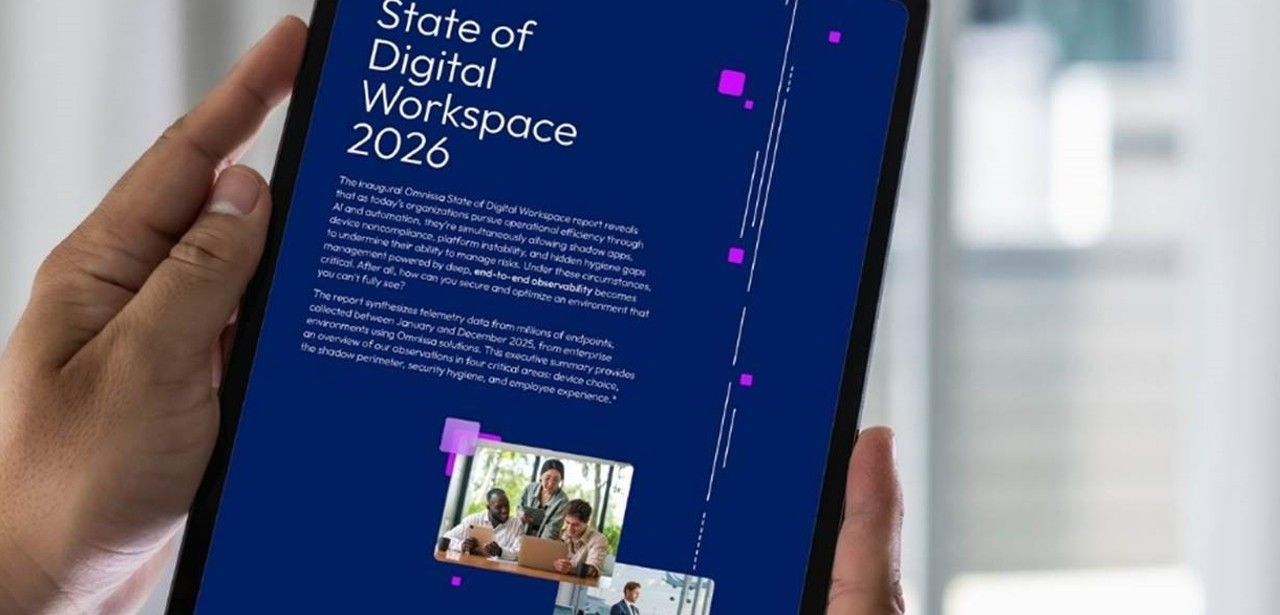
According to Omnissas State of Digital Workspace 2026 report, nearly one third of retail endpoints run operating systems up to five versions behind releases, while uncontrolled artificial intelligence tool adoption has soared by 1,000 percent. These legacy environments compound security vulnerabilities at retailers such as Media Markt, KaDeWe, and Ceconomy, necessitating the deployment of transparent real-time update mechanisms, enhanced system availability measures, and cost reduction strategies to maintain resilience operations.
Table of Contents: What awaits you in this article
One Third Of Retail Systems Are Running Four-Generation-Old Software
According to the Omnissa report, nearly one third of stationary retail devices are operating on operating systems that are four or five versions behind releases. Many store management and inventory applications remain tied to outdated legacy platforms, requiring complex, resource-intensive procedures for any upgrade. This software lag introduces significant delays at point-of-sale terminals, complicates stocktaking operations, and undermines overall efficiency by forcing employees to work around technical bottlenecks during transactions.
Yearly AI Tool Use Soars Tenfold Beyond IT Control
Over a past year, the study identifies an approximately tenfold increase in AI assistant adoption on workplace devices. Staff members now regularly employ consumer-grade platforms such as ChatGPT and Gemini without IT oversight. This unsanctioned usage creates a shadow IT environment that complicates risk assessment processes. As a result, organizations face elevated challenges in enforcing data privacy guidelines and meeting regulatory compliance standards, exposing sensitive corporate information to serious vulnerabilities.
High-profile cyberattacks steal thousands of customer records from retailers
Over the year, several prominent retailers, including Tegut, Media Markt, Berlins KaDeWe, and the Ceconomy group, experienced cyberattacks that exfiltrated thousands of customer records and encrypted critical servers. Wolfgang Steiger, Secretary General of the Council of Economic Experts, emphasizes that these incidents have established cyber threats among the top risks facing retail. He warns that interconnected point-of-sale networks and processing of sensitive payment data heighten vulnerability to sophisticated digital intrusions.
Omnissa demands real-time transparency to eliminate retail operational risks
Retailers cannot afford transparency blind spots, emphasizes Ralf Gegg, Vice President Sales EMEA at Omnissa. Real-time transparency empowers teams to monitor each endpoints operational status, assess patch priorities, and remediate vulnerabilities before they escalate. By proactively tracking firmware, software, and configuration metrics, organizations minimize unexpected downtime, streamline routine tasks for in-store personnel, bolster compliance. This level of visibility also supports smarter resource allocation, cost savings, and a more resilient infrastructure.
Omnissas AI-driven platform unifies UEM, Virtual Apps, DEX, Compliance
The AI-powered Omnissa platform integrates Unified Endpoint Management, Virtual Apps and Desktops, Digital Employee Experience, and Security & Compliance. Serving 26,000 customers worldwide, it delivers unparalleled transparency across all endpoints, automates IT tasks, and enforces compliance policies in time. By centralizing management and security operations, organizations benefit from reduced administrative overhead, accelerated software update cycles, minimized downtime, and a robust, scalable infrastructure designed to adapt to evolving digital workspace demands.
Omnissas State of Digital Workspace 2026 study reveals that real-time system visibility and advanced digital workspace solutions are essential for brick-and-mortar retailers. These technologies boost security, simplify operations, and foster employee satisfaction with intuitive tools and automated processes. Retailers can decrease downtime, improve transaction speed, optimize resource allocation, and lower overhead. In a landscape dominated by digital innovation, these benefits equip stores with the resilience and competitiveness necessary to thrive.