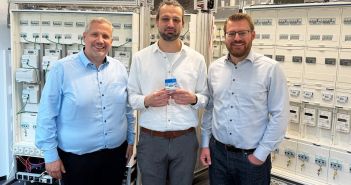

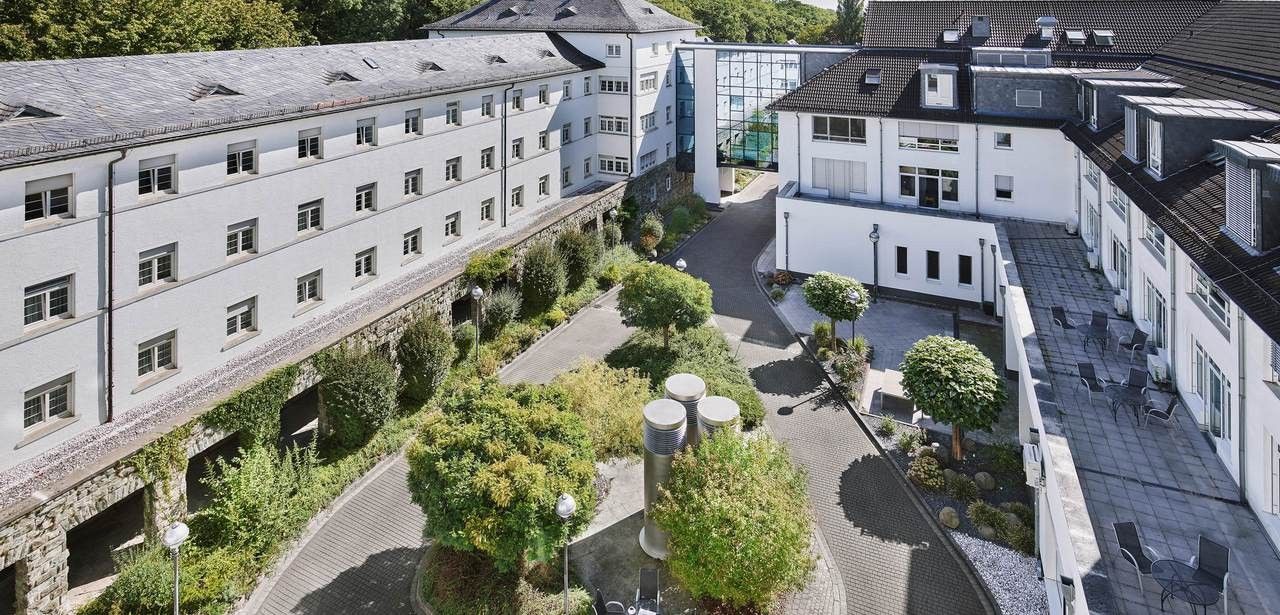
SPIE implemented an IoT-based energy monitoring solution in four buildings at Taunus Residences am Eichwald, Soden, leveraging a LoRaWAN wireless network and over 1,600 measurement and control devices. The system collects real-time consumption data, automates heating based on occupancy and ambient conditions, and enables invasive retrofit installations. This approach achieved over ten percent reduction in energy usage compared to the previous year. Operator training ensures proper system configuration and optimization.
Table of Contents: What awaits you in this article
IoT-based energy monitoring enhances transparency and optimizes consumption seamlessly
He aimed to achieve transparent measurement and systematic improvement of energy consumption at the Taunus Residenzen senior facility in Eichwald. He implemented a minimally invasive digitalization strategy that leveraged existing infrastructure with negligible disruption to daily operations. He selected LoRaWAN sensors and centralized monitoring software to gather real-time consumption metrics. He ensured rapid deployment and cost-effective installation. He maintained continuous service availability and set the stage for sustainable energy optimization.
LoRaWAN network uses two gateways to connect four buildings
As technical foundation, a LoRaWAN-based radio network with two gateways was deployed. It spans four buildings within roughly three hundred meters. This wireless infrastructure collects measurement data from sensors and meters continuously, transmitting it to a central management platform. By eliminating complex and expensive cabling, it reduces installation time. The system ensures robust connectivity and scalability, providing transparent access to energy consumption and operational parameters for remote monitoring and diagnostics.
SPIE deploys 1,600 sensors capturing temperatures, heating, window states
SPIE has deployed more than 1,600 measurement and regulation units throughout residential and common areas, continuously capturing ambient temperatures, heating patterns, and window positions. These devices transmit readings wirelessly to a centralized platform, enabling a detailed, comprehensive dataset on real time thermal dynamics. With this precise information, engineers can perform in-depth evaluations of energy distribution and consumption across the entire building complex, identifying inefficiencies and opportunities for targeted optimization measures.
Sensor data enables heating control, delivers ten percent savings
The central analysis of sensor data enables demand-based automated control of heating systems. Over the past heating season, this approach achieved a reduction in energy consumption exceeding ten percent compared to the previous years period. The system leverages continuous monitoring, real-time feedback loops, dynamic regulation algorithms to respond to environmental changes occupancy patterns. All adjustments operate seamlessly without affecting end-user comfort, maintaining consistent temperature levels while maximizing operational efficiency performance.
SPIE trains Taunus Residenzen staff to control temperature autonomously
SPIE provided training to staff of the Taunus Residences in system operation. He can now configure time-of-day temperature setpoints for individual rooms and adjust monitoring parameters. Training included instruction on dashboard navigation, sensor data interpretation and alarm handling. The operator is empowered to optimize heating schedules according to occupancy patterns and external conditions. This ensures efficient energy management during the upcoming heating season, minimizing overall consumption without compromising resident comfort.
Energy monitoring implementation builds on long-standing security systems collaboration
The implementation of the energy monitoring solution builds upon a long-standing collaboration in the fields of fire alarm and nurse call systems. With the new system, both partners have expanded their cooperation to include advanced automated temperature regulation and data analysis. The operator benefits from integration, reduced installation costs and performance reliability. He can now anticipate further digital services, plan upgrades efficiently and optimize resource allocation for future facility management.
SPIEs IoT energy monitoring in the Taunus Residences collects real-time consumption data through minimalinvasive sensor installation. The system delivers transparent performance metrics to a central dashboard, enabling automated heating control based on precise occupancy and temperature readings. Facility site manager gains measurable cost reductions and lower CO2 emissions, while resident enjoys consistent comfort. Dedicated comprehensive training equips staff with knowledge to operate and scale the system independently across heating seasons.