
CITEL conducted a five-week evaluation in Reims to assess the performance of surge protection devices from multiple manufacturers and design concepts. This test campaign addressed a crucial gap between IEC standards and practical retrofit installation scenarios. The data include precise measurements, experimentally validated findings, and recommendations. Presented at Intersolar Europe in Munich, these insights enable planners and system integrators to make informed choices under spatial limitations and mixed arrester setups.
Table of Contents: What awaits you in this article
Reims lab evaluates mixed surge protectors under building constraints
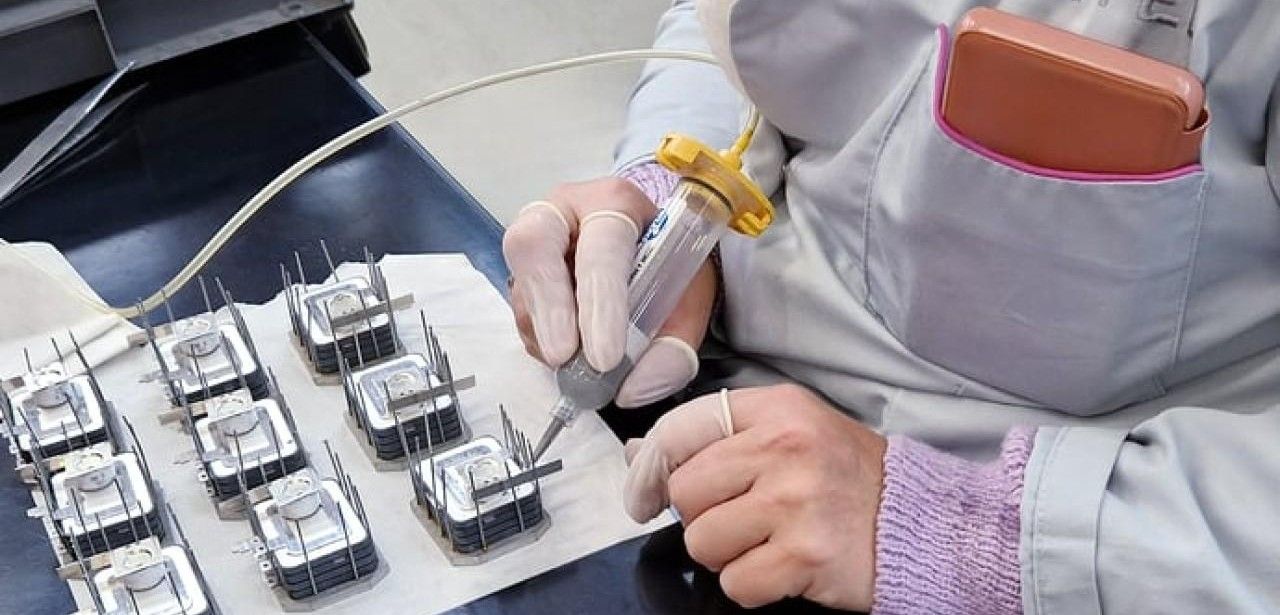
CITEL performed an extensive five-week testing campaign with surge protection switches from various manufacturers in its Reims laboratory. The objective was to verify compliance with the normative ten-meter minimum separation in existing buildings and investigate the behavior of mixed arrester concepts under real spatial constraints. This research fills a critical data gap between international IEC standards and practical retrofit implementations by providing validated insights into device coordination at reduced distances.
Surge protection coordination validated under minimal conductor lengths distances
Under installation conditions, measured separation distances deviate from standard requirements approximately 75% of cases. To address this discrepancy, CITEL studied the performance of upstream downstream surge protective device stages at minimal conductor lengths that effectively eliminate line impedance. Engineers tested combinations of products from different manufacturers to investigate whether coordinated SPD systems maintain reliable protection performance when spacing requirements are violated and standard distances cannot be maintained in retrofit projects.
Planners rely on measured device properties for surge protection
The results indicate that system designers and integrators should prioritize empirical device characteristics and real-world energy discharge capacities when selecting surge protection equipment. Relying solely on theoretical models falls short, particularly in mixed configurations from multiple manufacturers. To address this gap, CITEL provides practical guidelines that offer step-by-step installation advice, ensuring reliable performance even in confined spaces. These recommendations facilitate consistent protection and optimize system safety under challenging spatial constraints.
CITEL VG Arrester Offers Surge Protection Under Minimal Lengths
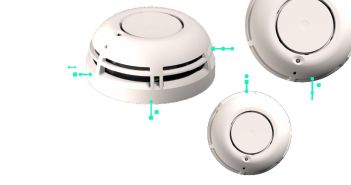
Tests confirmed that a VG surge arrester installed at the primary protection point by CITEL performed reliably under varied conditions. Incorporating gas-filled spark gaps, this protector effectively intercepts and rapidly dissipates transient overvoltages even when connection distances are minimal. By efficiently minimizing residual surge energy, it prevents downstream electronics from experiencing harmful electrical spikes. Consequently, Internet of Things devices and photovoltaic installations achieve stable power management and enhanced operational safety.
CITEL Unveils Surge Protection Research at Munich Intersolar Exhibition
CITEL will unveil comprehensive test findings and actionable recommendations at Intersolar Europe, June 23-25 in Munich. Attendees can visit their booth in Hall B4, stand 111, to explore insights into surge protection performance under real-world conditions. Industry professionals, integrators, and installers are encouraged to engage with experts to receive tailored guidance. Media representatives can arrange one-on-one discussions for in-depth analysis of the five-week R&D campaign assessing protector coordination and spatial constraints.
Combining rigorous laboratory testing with realistic conditions, CITEL’s Reims campaign provides experimentally validated data bridging the gap between IEC standards and installations. It offers actionable guidelines based on device performance under constrained installation scenarios, emphasizing the value of gas-discharge surge arresters at primary protection levels. Installers and system integrators gain reliable overvoltage protection, controlled energy distribution, and greater design flexibility, while IoT and solar systems experience enhanced safety and efficiency.