
As daylight hours shorten, homeowners increasingly consider cameras and alarm systems to improve residential security. TÜV SÜD product expert Stephan Kammermayer outlines the factors that determine whether such equipment provides useful monitoring and dependable protection. Appropriate placement, clear image quality, suitable storage, reliable sensors, and robust cybersecurity are essential. Legal requirements must also be respected. Cameras and alarms should complement, rather than replace, strong mechanical protection for doors and windows.
Table of Contents: What awaits you in this article
Define surveillance needs before purchasing cameras and alarm systems
Before purchasing security equipment, the homeowner should define precisely which zones require monitoring or protection. A single camera covering an entrance has different technical and installation requirements than a coordinated system protecting several rooms, doors, and windows. For larger installations, scalable components are beneficial because additional cameras and sensors can be added later. Clear setup procedures and intuitive controls also support reliable day to day operation and encourage regular use.
Choosing Surveillance Cameras for Entrances, Terraces, and Indoor Areas
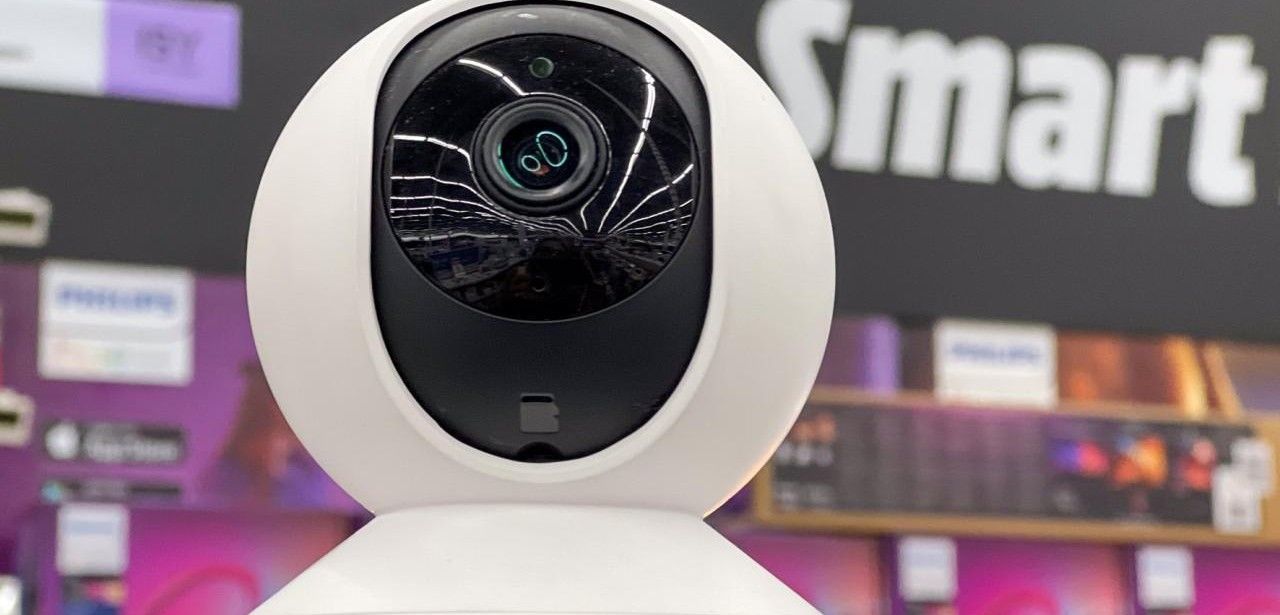
Surveillance cameras can be installed at entrances, on terraces, and inside residential rooms, provided the model matches the environment. Outdoor devices require housings that resist moisture, dust, and seasonal temperature changes. The IP rating indicates protection against solid particles and water ingress. Image quality depends not only on resolution but also on the viewing angle and night vision performance, which help capture the intended area clearly at night when needed.
Motion Detection Settings Reduce False Alerts and Unnecessary Recordings
Motion detection enables a camera to begin recording or send an alert only when activity occurs within defined conditions. Users can configure detection zones and sensitivity levels to focus on relevant movement and reduce false notifications. For outdoor installations, the camera should be aligned carefully with the owners entrance, driveway, or property. This limits recordings of neighboring areas, avoids unnecessary events, and supports efficient, purpose-oriented operation while helping protect privacy.
Compare Local Camera Storage, Cloud Fees, and Subscription Features
Camera systems differ in how they retain recorded footage. Some models write video directly to a memory card or another local medium, while others transfer material to a cloud platform. Cloud storage may involve recurring charges. Before purchase, the consumer should identify included functions and subscription-dependent services. Relevant criteria also include available storage capacity, retention periods, deletion controls, and whether recording archives can be managed individually according to personal requirements.
Test WiFi coverage before installing cameras for reliable operation
Wireless cameras depend on a stable network signal at the planned installation point. Structural obstacles such as reinforced walls, metal elements, long distances, and multiple floors can weaken or interrupt the connection. Before mounting the device permanently, the homeowner should check WiFi coverage and signal strength at the exact location. A reliable connection is essential for continuous live viewing, timely alerts, remote access, and dependable transmission of footage to storage.
Alarm Systems Secure Multiple Access Points With Integrated Sensors
To protect several entry points or rooms, an alarm system should combine a central control unit with door and window contacts, motion detectors, and sirens. Wireless solutions are generally suitable for retrofitting because they require little structural work. Wired systems usually demand more extensive installation. Systems that activate a siren and send app notifications provide broader warning coverage. A battery backup can maintain operation briefly during power outages when needed.
Correct Sensor Selection and Settings Reduce False Alarms Reliably
Alarm sensors should be selected according to the characteristics of each room and the intended protection task. Pets, radiators, direct sunlight, and air movement from open windows may affect detection and trigger unwanted alarms. Correct placement, suitable sensitivity settings, and coordinated components improve operational reliability. For connected alarm systems, buyers should also verify whether alerts can still be transmitted through an alternative communication path when the primary internet connection fails.
Cybersecurity Requirements Protect Connected Cameras and Alarm Systems Effectively
Network-connected cameras and alarm systems require robust cybersecurity features to protect devices, accounts, and transmitted information. Wi-Fi cameras must meet requirements under the European Radio Equipment Directive, including cybersecurity provisions. Encryption safeguards data while two-factor authentication restricts unauthorized access. Buyers should verify manufacturers’ security-update support periods. The forthcoming Cyber Resilience Act will further tighten obligations for vulnerability management and the timely provision of software updates across connected products regionwide.
Camera Placement Must Comply With Privacy and Legal Requirements
When using surveillance cameras, the operator must observe applicable local rules and legal requirements. Before installation, he should verify the cameras viewing direction, coverage area, and any functions for audio, recording, or remote access. Privacy and personality rights may be affected if the device captures places where third parties reasonably expect confidentiality. Areas beyond the owners property should therefore not be monitored or recorded without a legal basis.
Mechanical Protection Remains Essential Alongside Cameras, Alarms, and Alerts
Security cameras and alarm systems can strengthen residential protection by detecting activity, recording events, and issuing warnings when an intrusion attempt occurs. They do not, however, prevent forced entry on their own. Robust locks, reinforced doors, secure window fittings, and other mechanical barriers delay or block access before electronic alerts become relevant. Buyers should consider verified products, manufacturer specifications, and reliable test results when assessing durability, safety, and term performance.
An effective home security strategy combines complementary protective measures rather than relying on a single device. A correctly positioned camera provides targeted visual monitoring, while an alarm system protects several entry points through coordinated sensors and alerts. Robust mechanical locks and window protections remain essential because they delay physical intrusion. Reliability also depends on suitable IP ratings, stable WiFi coverage, appropriate storage settings, accurately configured sensors, and long-term security updates.