The statewide HAW Research Day 2026 at Ludwigshafen University of Business and Society demonstrated how applied research links early career academics, regional requirements, and innovation. Approximately 200 researchers, doctoral candidates, students, and interested visitors examined projects in engineering, health, business, and social fields. Short pitches, poster presentations, doctoral sessions, and career reports clarified research pathways and knowledge-transfer opportunities in Rhineland-Palatinate, making the state’s higher education research landscape accessible and tangible.
Table of Contents: What awaits you in this article
Ludwigshafen Hosts Statewide Applied Sciences Research Day for Innovation
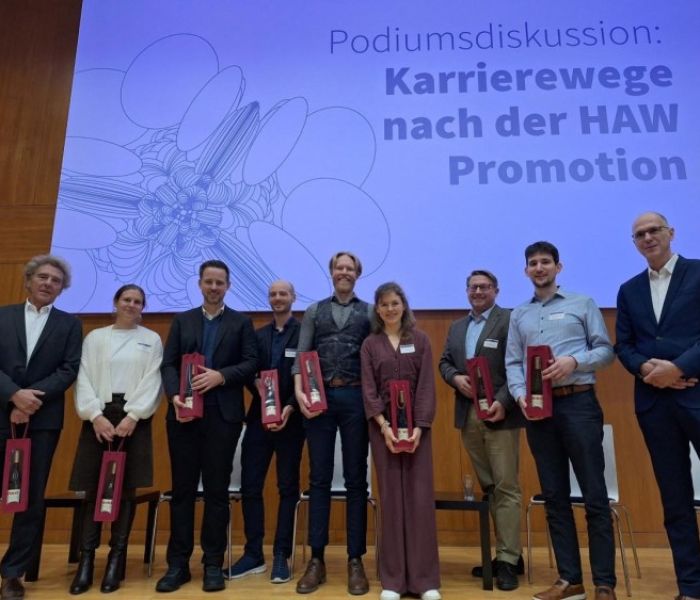
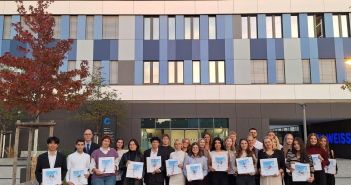
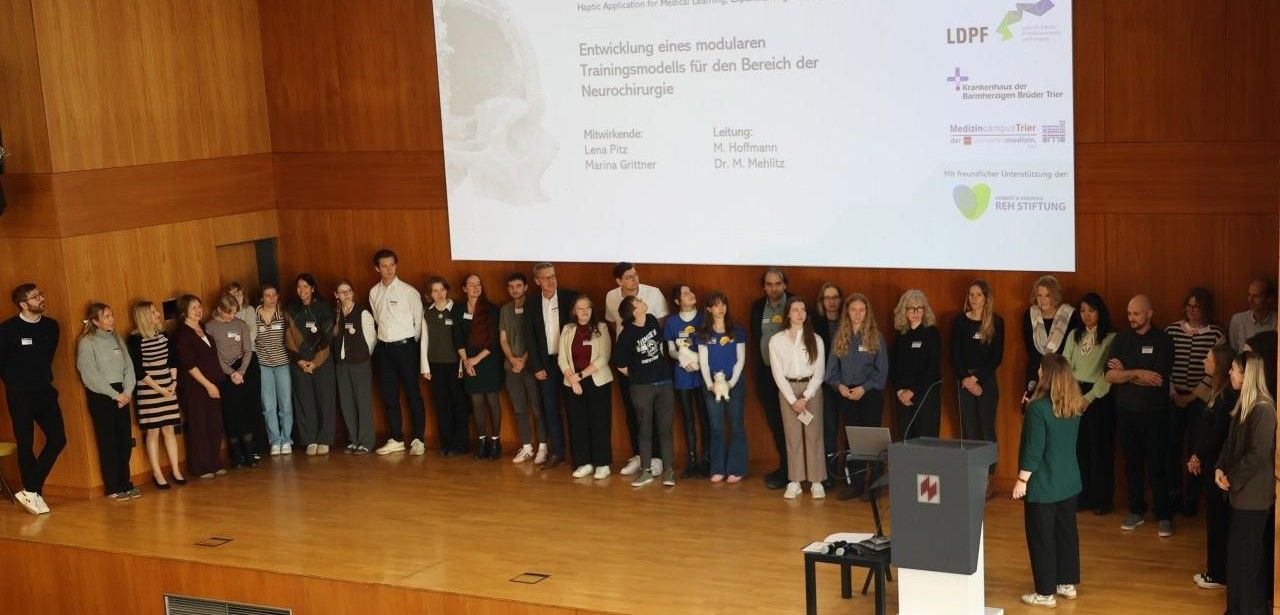
Die Teilnehmer der Podiumsdiskussion Karrierewege (Foto: Hochschule für Wirtschaft und Gesellschaft Ludwigshafen)
On 22 October 2026, the Ludwigshafen University of Business and Society hosted Rhineland-Palatinates HAW Research Day. Participating institutions included universities of applied sciences from Kaiserslautern, Koblenz, Mainz, Trier, and Worms, the Catholic University of Applied Sciences Mainz, and Bingen Technical University. Under the motto “The Future Is WE – Science Innovation Rhineland-Palatinate,â the event focused on early-career researchers and demonstrated how applied research can generate solutions for industry, society, and regions.
Research Core Mission Strengthens Innovation Through Applied University Collaboration
At the opening, HWG-LU President Professor Gunther Piller identified research as a central responsibility of universities of applied sciences. He stated that research outcomes reach professional practice directly and reinforce Rhineland-Palatinates capacity for innovation and long-term development. Carola Zimmermann from the state ministry emphasized that cooperation among all HAW institutions provides a significant advantage. The states high-tech agenda also creates opportunities for additional research priorities and regionally focused transfer projects.
Universities Present Diverse Applied Research Topics Addressing Regional Challenges
Research directors from the participating universities presented a wide range of current applied research priorities. Topics included migration studies, impact assessment, sustainable construction materials, agricultural and biosystems, animal welfare, medical technology, microtechnology, nanotechnology, cybersecurity, robotics, and reliable medicine supplies. Presentations also addressed sustainable energy systems and hydrogen production from biomass. The overview demonstrated to prospective students that universities of applied sciences address technical, social, economic, and environmental challenges through practice-oriented research.
Student Pitches Showcase Applied Research Projects Before Poster Exhibition
Students introduced their research projects in one-minute pitches before the poster exhibition, providing concise explanations of objectives, methods, and practical relevance. Lena Pitz and Marina Grittner from Trier University of Applied Sciences presented HAMLET, a modular training system for neurosurgical procedures. Bingen Technical University presented Digi-Ziege, an application that automatically identifies goat weight to support welfare-oriented medication. Other pitches addressed phone-related driver distraction, AI infrastructures, and bamboo construction in Philippines.
Doctoral Sessions Present Cross-University Research Clusters and Career Pathways
The doctoral sessions presented research conducted within cross-university clusters and specialist areas at universities of applied sciences. Topics included biomedical and environmental life sciences, applied computer science, sustainable systems and technology, health and social sciences, and economics. Individual projects addressed arable wild plants, microfluidic blood analysis, virtual humans, laser spectroscopy, consumer behaviour, sustainability orientation, and immersive teaching technologies. The format gave researchers insight into doctoral pathways and interdisciplinary research networks.
Doctoral Alumni Discuss Diverse Career Paths Beyond Academic Research
A panel discussion featuring former and prospective doctoral candidates at universities of applied sciences illustrated that academic careers rarely follow a linear pattern. Speakers described transitions into professorships, private-sector positions, project management, and entrepreneurship. Intellectual curiosity, recommendations from professional contacts, and suitable research topics often initiated doctoral studies. Participants identified supportive environments, research networks, and practical work experience as essential factors. Professor Marcel Hauck advised researchers to select motivating subjects.
Opportunity Market Provides Guidance on Doctoral Research and Startups
The opportunities fair provided information on qualification schemes offered by doctoral clusters, start-up offices, and collaborative research projects. Participants could obtain advice on doctoral study, research transfer, and company formation. This advisory format supplemented the technical presentations with practical guidance for the next academic step or entry into a research project. The full programme and all contributions are documented on the HWG LU website for the 2026 HAW Research Day.
The HAW Research Day RLP 2026 demonstrated how applied research at universities of applied sciences creates value beyond academic settings. Students and doctoral candidates gained clearer access to qualification opportunities, research experience, and professional perspectives. Regional actors benefited from solutions designed for practical implementation. Short presentations, doctoral projects, advisory services, and direct discussion connected emerging researchers with institutions, companies, and society, strengthening knowledge transfer and supporting innovation across Rhineland Palatinate.